Home›Blog›Best 0% APR Credit Cards of 2026: Top Picks for Interest-Free Financing
Advertiser Disclosure: WiseIQ is reader-supported. When you apply through links on this page, we may earn a commission at no extra cost to you. Learn more.
CREDIT CARDS
Best 0% APR Credit Cards of 2026: Top Picks for Interest-Free Financing
📋 By WiseIQ Editorial · Updated May 2026 · Editorially independent
Navigate the world of interest-free financing with our expert-selected best 0% APR credit cards for 2026. Whether you're planning a large purchase or consolidating debt, these cards offer extended periods without interest charges.
WiseIQ Expert Tip
Always pay your statement balance in full each month — not just the minimum. Carrying a balance costs the average American over $1,200 per year in interest charges.
Quick Comparison: Best 0% Intro APR on Purchases at a Glance
Market Rate Context
National average credit card APR: 21.76% — The national average is 21.76% APR. Source: Federal Reserve G.19 Consumer Credit Report, May 2026.
Rates verified May 2026 · Updated weekly
Card Name
Intro APR Offer
Annual Fee
Min. Credit Score
Best For
Wells Fargo Reflect
0% for 21 months on purchases & BT
$0
Good/Excellent
Longest interest-free period for large purchases or debt consolidation
Citi Simplicity
0% for 18 months on purchases & BT
$0
Good/Excellent
Avoiding late fees and extended balance transfer periods
Chase Freedom Unlimited
0% for 15 months on purchases & BT
$0
Good/Excellent
Earning cash back while enjoying an intro APR
Amex Blue Cash Everyday
0% for 15 months on purchases & BT
$0
Good/Excellent
Cash back on everyday spending with an intro APR
Our Top Picks for 0% Intro APR on Purchases
Filter:
No results match your filter.
Editor's Pick
Wells Fargo Reflect® Card
Wells Fargo · Visa
Best 0% APR Card
N/A
N/A
No annual fee
Cellular Telephone Protection
Longest 0% intro APR period for purchases and balance transfers (21 months)
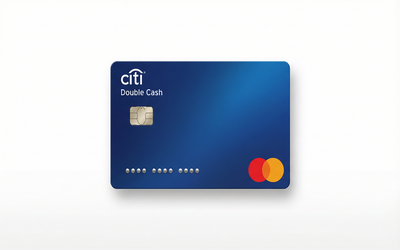
Citi Simplicity® Card
Citi · Mastercard
Best 0% APR Card
N/A
N/A
Long intro APR for purchases and balance transfers (18 months)
No late fees, ever
No annual fee
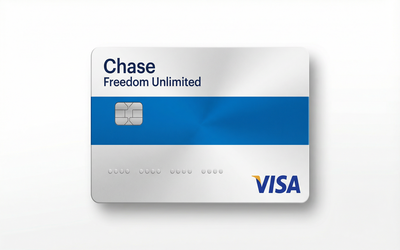
Chase Freedom Unlimited®
Chase Bank · Visa
Best Flat-Rate Cash Back
Chase Freedom Unlimited® — Top Pick
Earn unlimited 1.5% cash back on all purchases
3% cash back on dining and drugstores, 5% on travel via Chase TravelSM
$200 sign-up bonus
No annual fee
Blue Cash Everyday® Card from American Express
American Express · Mastercard
Best No-Fee Groceries
Blue Cash Everyday® Card from American Express — Top Pick
3% cash back on groceries, U.S. online retail, and gas (up to $6k/year each)
A credit card is not the right tool for every situation. Consider alternatives if any of the following apply to you:
You carry a balance month-to-month: At an average APR of 21.76%, carrying a balance on a rewards card will cost more than the rewards are worth. A personal loan at a lower fixed rate is almost always cheaper for debt you cannot pay off monthly.
You need cash, not credit: Credit card cash advances typically charge 25–30% APR with no grace period and a 3–5% transaction fee. A personal loan is significantly cheaper for cash needs.
Your credit score is below 580: Most rewards and cashback cards require 670+. Below 580, a secured credit card or credit-builder loan is a more realistic path to building credit.
You are rebuilding after bankruptcy: Most unsecured cards are unavailable for 1–2 years post-discharge. A secured card with a refundable deposit is the standard rebuilding tool.
🎯
Not sure which lender fits your credit range?
See who actually approves your score range — and the APR to expect.
Introductory APR LengthWe prioritized cards offering the longest 0% intro APR periods for both purchases and balance transfers, allowing maximum time for interest-free financing.
Fees and RatesAnnual fees, balance transfer fees, and foreign transaction fees were carefully considered to ensure transparency and value for cardholders.
Ongoing Value & RewardsBeyond the intro period, we evaluated each card's long-term benefits, including cash back programs, travel rewards, and other perks.
Credit Score RequirementsCards were selected to cater to a range of credit profiles, primarily focusing on those accessible to individuals with good to excellent credit.
Who Should Apply?
Consumers Looking to Finance a Large Purchase
If you have a significant expense coming up, such as home renovations, a new appliance, or medical bills, a 0% APR credit card can provide a crucial interest-free window. This allows you to pay off the purchase over several months without incurring additional costs, effectively turning your credit card into a short-term, interest-free loan.
Individuals Consolidating High-Interest Debt
For those carrying balances on other high-interest credit cards, a 0% intro APR balance transfer card can be a game-changer. By transferring your existing debt, you gain an extended period to pay it down without new interest charges accumulating, potentially saving hundreds or even thousands of dollars and accelerating your debt repayment journey.
Anyone Seeking a Financial Breathing Room
Life can be unpredictable, and sometimes you need a buffer. A 0% APR card can offer financial flexibility during unexpected expenses or temporary income fluctuations. It provides peace of mind, knowing you can manage your finances without the immediate pressure of accruing interest.
We monitor rates across 50+ lenders and alert you when better options become available for your profile.
No spam. Unsubscribe anytime. We never sell your data.
W
WiseIQ Editorial Team
Reviewed by Certified Financial Planners & Industry Experts
Our editorial team consists of financial writers, CFPs, and former banking professionals dedicated to providing accurate, unbiased financial guidance. All content is fact-checked and updated regularly. Learn about our editorial standards →
Frequently Asked Questions
What does 0% APR mean?
0% APR (Annual Percentage Rate) means that for a specified introductory period, you will not be charged any interest on new purchases or balance transfers, depending on the card's terms. After this period, a variable APR will apply.
How long do 0% APR offers typically last?
0% APR offers can vary significantly, typically ranging from 12 to 21 months. The duration depends on the specific card and issuer, with some cards offering longer periods for purchases and others for balance transfers.
Are there any hidden fees with 0% APR cards?
While the APR is 0% during the introductory period, other fees may still apply. Common fees include balance transfer fees (typically 3-5% of the transferred amount), cash advance fees, and foreign transaction fees. Annual fees are rare for most 0% APR cards.
What happens after the 0% intro APR period ends?
Once the introductory 0% APR period concludes, any remaining balance on purchases or balance transfers will be subject to the card's standard variable APR. This rate can range from mid-teens to high twenties, depending on your creditworthiness.
Focus on the Annual Percentage Rate (APR), which includes both interest and fees. Compare minimum credit score requirements, funding speed, loan amounts, and repayment terms. Read recent customer reviews on Trustpilot and the BBB. Getting pre-qualified lets you see real personalized offers.
The interest rate is the base cost of borrowing. APR (Annual Percentage Rate) includes the interest rate plus all fees (origination fees, closing costs, etc.), expressed as a yearly rate. APR gives you a more complete picture of the true cost of a loan — always compare APRs, not just interest rates.
Credit scores have a dramatic impact on rates. On a $20,000 personal loan, the difference between a 720 score (8% APR) and a 580 score (25% APR) is over $9,000 in additional interest over 5 years. Improving your score before applying can save thousands.
Reputable online lenders use bank-level encryption (256-bit SSL) to protect your data. Look for HTTPS in the URL, check that the lender is registered in your state, verify their BBB rating, and read privacy policies before submitting personal information. Avoid lenders who contact you unsolicited.