Home›Blog›Best Balance Transfer Credit Cards of 2026
Advertiser Disclosure: WiseIQ is reader-supported. When you apply through links on this page, we may earn a commission at no extra cost to you. Learn more.
📋 By WiseIQ Editorial · Updated May 2026 · Editorially independent
Find the best balance transfer credit cards of 2026 to consolidate debt, save on interest with 0% intro APR offers, and pay off balances faster. Compare top picks like Wells Fargo Reflect, U.S. Bank Shield, and Citi Simplicity.
WiseIQ Expert Tip
Always pay your statement balance in full each month — not just the minimum. Carrying a balance costs the average American over $1,200 per year in interest charges.
Quick Comparison: Best Balance Transfer Credit Cards at a Glance
Market Rate Context
National average credit card APR: 21.76% — The national average is 21.76% APR. Source: Federal Reserve G.19 Consumer Credit Report, May 2026.
Rates verified May 2026 · Updated weekly
Card Name
Intro APR (BT)
Annual Fee
Min. Credit Score
Best For
Wells Fargo Reflect® Card
0% for 21 months
$0
670 - 850
Longest 0% intro APR
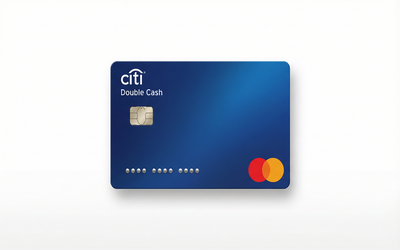
Citi Simplicity® Card
0% for 18 months
$0
670 - 850
No late fees or penalty APR
Chase Slate Edge℠
0% for 18 months
$0
670 - 850
Building credit with responsible use
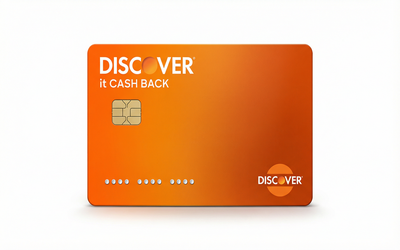
Discover it® Balance Transfer
0% for 18 months
$0
670 - 850
Combining intro APR with rewards
BankAmericard® credit card
0% for 21 billing cycles
$0
670 - 850
Potentially lower ongoing APR
U.S. Bank Shield™ Visa® Card
0% for 21 billing cycles
$0
670 - 850
Combining intro APR with rewards
Our Top Picks for Balance Transfer Credit Cards
Filter:
No results match your filter.
Editor's Pick
Wells Fargo Reflect® Card
Wells Fargo · Visa
Best 0% APR Card
Wells Fargo Reflect® Card — Top Pick
N/A
$0 annual fee, saving you money while paying down debt.
One of the longest 0% intro APR periods available (21 months).
Good for large balance transfers due to extended interest-free period.
Citi Simplicity® Card
Citi · Mastercard
Best 0% APR Card
Citi Simplicity® Card — Top Pick
N/A
No late fees or penalty APR, offering a safety net for missed payments.
Long 0% intro APR period on both purchases and balance transfers (18 months).
$0 annual fee.
Chase Slate Edge℠
Credit Card Issuer
Best for Building Credit with Responsible Use
Chase Slate Edge℠ — Top Pick
N/A
18 months of 0% intro APR on balance transfers and purchases.
$0 annual fee.
Automatic review for a higher credit limit after 6 months of on-time payments.
Discover it® Balance Transfer
Discover · Discover Network
Best No-Fee Card
5%
5%
18 months of 0% intro APR on balance transfers and purchases.
Earns 5% cash back on rotating categories and 1% on all other purchases.
Cashback Match™ for new cardmembers.
$0 annual fee.
BankAmericard® credit card
Credit Card Issuer
Best for Potentially Lower Ongoing APR
BankAmericard® credit card — Top Pick
N/A
One of the longest 0% intro APR periods (21 billing cycles) on purchases and balance transfers.
Potentially lower ongoing APR after the introductory period.
$0 annual fee.
U.S. Bank Shield™ Visa® Card
Credit Card Issuer
Best for Combining Intro APR with Rewards
4%
4%
Long 0% intro APR period on balance transfers (21 billing cycles).
Earns 4% cash back on two categories of your choice.
A credit card is not the right tool for every situation. Consider alternatives if any of the following apply to you:
You carry a balance month-to-month: At an average APR of 21.76%, carrying a balance on a rewards card will cost more than the rewards are worth. A personal loan at a lower fixed rate is almost always cheaper for debt you cannot pay off monthly.
You need cash, not credit: Credit card cash advances typically charge 25–30% APR with no grace period and a 3–5% transaction fee. A personal loan is significantly cheaper for cash needs.
Your credit score is below 580: Most rewards and cashback cards require 670+. Below 580, a secured credit card or credit-builder loan is a more realistic path to building credit.
You are rebuilding after bankruptcy: Most unsecured cards are unavailable for 1–2 years post-discharge. A secured card with a refundable deposit is the standard rebuilding tool.
🎯
Not sure which lender fits your credit range?
See who actually approves your score range — and the APR to expect.
How We Chose the Best Balance Transfer Credit Cards
Our Selection Criteria
Length of 0% Intro APR PeriodWe prioritized cards offering the longest possible introductory 0% APR on balance transfers, allowing consumers more time to pay down debt without accruing interest.
Fees and CostsWe evaluated cards based on their balance transfer fees, annual fees, and other potential costs, favoring those with lower or no fees to maximize savings.
Credit Score RequirementsOur selections consider cards accessible to a range of credit profiles, with a focus on options for good to excellent credit, where the best offers are typically found.
Additional Benefits & FeaturesBeyond the core balance transfer offer, we considered additional perks such as rewards programs, purchase intro APRs, and customer service quality.
Who Should Apply?
If you're currently carrying a balance on one or more credit cards with high interest rates, a balance transfer credit card can be a powerful tool. By transferring your existing debt to a card with a 0% introductory APR, you can significantly reduce the amount of interest you pay, allowing more of your payments to go directly towards the principal. This can help you pay off your debt faster and save a substantial amount of money.
Those Committed to a Debt Repayment Plan
Balance transfer cards are most effective for individuals who are disciplined and committed to paying off their transferred balance before the introductory 0% APR period expires. Having a clear repayment strategy and sticking to it is crucial. If you can pay off the entire transferred amount within the promotional period, you'll avoid paying any interest on that debt.
Consumers with Good to Excellent Credit
The most attractive balance transfer offers, particularly those with the longest 0% intro APR periods and lowest fees, are typically reserved for applicants with good to excellent credit scores (generally 670 or higher). A strong credit profile increases your chances of approval for these premium cards and can also lead to a higher credit limit, which is beneficial for transferring larger balances.
People Looking to Consolidate Debt
A balance transfer card can simplify your financial life by consolidating multiple credit card debts into a single account. This means fewer due dates to remember and one monthly payment, making it easier to manage your debt and track your progress. It can also help you avoid late fees and keep your credit utilization in check.
We monitor rates across 50+ lenders and alert you when better options become available for your profile.
No spam. Unsubscribe anytime. We never sell your data.
W
WiseIQ Editorial Team
Reviewed by Certified Financial Planners & Industry Experts
Our editorial team consists of financial writers, CFPs, and former banking professionals dedicated to providing accurate, unbiased financial guidance. All content is fact-checked and updated regularly. Learn about our editorial standards →
Frequently Asked Questions
What is a balance transfer credit card?
A balance transfer credit card allows you to move existing debt from one or more credit cards to a new card, often with a promotional 0% introductory APR period. This means you won't pay interest on the transferred balance for a set amount of time, typically 12 to 21 months, giving you an opportunity to pay down your principal faster.
How do balance transfers work?
When you apply for and are approved for a balance transfer card, you provide the details of the credit card accounts you wish to transfer balances from. The new card issuer pays off those balances, and you then owe the new card issuer. During the introductory 0% APR period, your payments go entirely towards the principal, helping you reduce debt more efficiently. After the intro period, a variable APR will apply to any remaining balance.
Are there fees associated with balance transfers?
Yes, most balance transfer credit cards charge a balance transfer fee, typically ranging from 3% to 5% of the amount transferred. For example, a 3% fee on a $5,000 transfer would cost $150. Some cards offer no balance transfer fee, but these are less common and may have shorter introductory APR periods. It's important to factor this fee into your decision to ensure the transfer is still beneficial.
How long does a balance transfer take?
The time it takes for a balance transfer to complete can vary, but it typically ranges from a few days to a few weeks. It's crucial to continue making payments on your old credit card accounts until you confirm that the balance transfer is complete and the old accounts show a zero balance. This prevents late payments and potential fees on your original cards.
Focus on the Annual Percentage Rate (APR), which includes both interest and fees. Compare minimum credit score requirements, funding speed, loan amounts, and repayment terms. Read recent customer reviews on Trustpilot and the BBB. Getting pre-qualified lets you see real personalized offers.
The interest rate is the base cost of borrowing. APR (Annual Percentage Rate) includes the interest rate plus all fees (origination fees, closing costs, etc.), expressed as a yearly rate. APR gives you a more complete picture of the true cost of a loan — always compare APRs, not just interest rates.
Credit scores have a dramatic impact on rates. On a $20,000 personal loan, the difference between a 720 score (8% APR) and a 580 score (25% APR) is over $9,000 in additional interest over 5 years. Improving your score before applying can save thousands.
Reputable online lenders use bank-level encryption (256-bit SSL) to protect your data. Look for HTTPS in the URL, check that the lender is registered in your state, verify their BBB rating, and read privacy policies before submitting personal information. Avoid lenders who contact you unsolicited.