Home ›
Blog ›
Best Credit Cards in Florida 2026
CREDIT CARDS
Best Credit Cards in Florida 2026
690-698Average Credit Score
$74,568Median Household Income
📋 Reviewed by WiseIQ Editorial Team · Updated April 2026 · Editorially independent
Navigating the credit card landscape in Florida requires understanding the state's unique financial environment. This guide provides a comprehensive look at the best credit card options available to Florida residents in 2026, tailored to help you make informed decisions.
Florida Financial Snapshot
$385,851Median Home Value (Feb 2025)
$1,719Median Gross Rent
$422/monthAverage Utility Costs
Best Credit Cards in Florida for 2026
WISEIQ TOP PICK
PERSONAL LOANS
Upstart
Best for fair & thin credit · AI-powered approval
✓ No prepayment penalty
✓ Funds in 1 business day
✓ Soft pull pre-qualification
✓ Considers education & job history
WiseIQ may earn a referral fee if you apply through this link. Rates shown are representative and may vary. See Upstart's website for full terms.
Credit Cards in Florida: What You Need to Know
Florida, known as the Sunshine State, has a population of 22.6M with a median household income of approximately $59,000. The current unemployment rate stands at 3.1%, which lenders consider when evaluating applications from Florida residents.
Major financial hub: Miami is the primary financial center for Florida residents, with access to both national and regional lenders.
Here are some of the top credit cards available to Florida residents in 2026, offering a range of benefits from cash back to travel rewards and introductory APR offers.
17.49%-28.24%
Variable APR
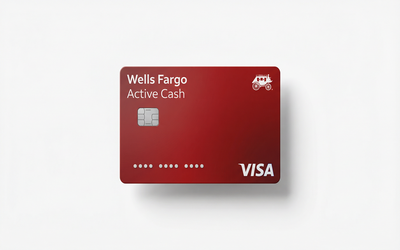
Key Highlight: Enjoy one of the longest 0% intro APR periods on purchases and qualifying balance transfers.
Apply Now
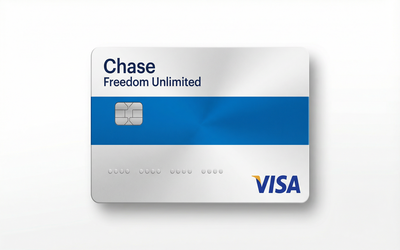
Key Highlight: Earn excellent, unlimited rewards rates at grocery stores and restaurants, plus a sign-up bonus.
Apply Now
2X Miles
On Every Purchase
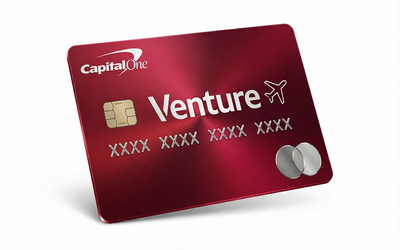
Key Highlight: Earn unlimited double miles on every purchase, redeemable for travel.
Apply Now
4X Points
Dining & Groceries
Key Highlight: Generous rewards on dining and U.S. supermarkets, plus valuable travel benefits.
Apply Now
6% Cash Back
Supermarkets & Streaming
Key Highlight: Earn high cash back rates on U.S. supermarkets, streaming subscriptions, and gas.
Apply Now
| Credit Card |
Best For |
Intro APR |
Regular APR |
Annual Fee |
Min. Credit Score |
| Wells Fargo Reflect® Card |
Balance Transfers |
0% for 21 months |
17.49%-28.24% Variable |
$0 |
670 |
| Chase Freedom Unlimited® |
Everyday Cash Back |
0% for 15 months |
18.49%-28.49% Variable |
$0 |
670 |
| Capital One Venture Rewards |
Travel Rewards |
N/A |
20.99%-28.99% Variable |
$95 |
670 |
| American Express® Gold Card |
Dining & Groceries |
N/A |
See Pay Over Time APR |
$250 |
670 |
| Blue Cash Preferred® Card from American Express |
High Cash Back |
0% for 12 months |
19.24%-29.24% Variable |
$95 |
670 |
Compare Cards Now
How to Choose the Best Credit Card in Florida
Choosing the right credit card involves evaluating your financial habits, spending patterns, and credit score. For Florida residents, it's crucial to consider cards that align with common expenses in the state, such as travel, dining, or gas, depending on your lifestyle. Look for cards with competitive APRs, especially if you anticipate carrying a balance, and ensure the rewards structure benefits your typical spending categories.
Additionally, pay close attention to annual fees, introductory offers, and any foreign transaction fees if you travel internationally. A card that offers a strong sign-up bonus or a long 0% introductory APR period can provide significant value, but always read the fine print to understand the terms and conditions after the promotional period ends. Ultimately, the 'best' credit card is one that complements your financial goals and helps you manage your money effectively.
Florida-Specific Considerations
Florida's financial landscape presents unique opportunities and challenges for credit card holders. With an average credit score ranging from 690-698, which is slightly below the national average, some residents may find it beneficial to focus on cards designed for fair to good credit. The state's diverse economy, driven by tourism, agriculture, and international trade, means that spending habits can vary significantly across regions like Miami, Orlando, and Tampa.
While Florida does not have a state income tax, which can free up more disposable income, the cost of living, particularly housing, can be a significant factor. Understanding your personal budget in relation to the average total personal consumption cost of $60,204 per year is key to responsible credit card use. Additionally, Florida has specific regulations regarding debt collection and consumer protection, so familiarizing yourself with these can be advantageous. Always ensure that any credit card you choose offers transparent terms and aligns with your financial capacity within the Florida economic context.
Frequently Asked Questions
What is the average credit score in Florida?
The average credit score in Florida typically ranges from 690 to 698, which is slightly below the national average. This means many residents fall into the 'good' credit tier, but there's also a significant portion in the 'fair' category.
Are there specific credit card benefits for Florida residents?
While there aren't credit cards exclusively for Florida residents, many cards offer benefits that align well with the Florida lifestyle, such as rewards on travel, dining, and gas, which are common expenses in the state. Some cards may also offer protections useful for frequent travelers.
How does the cost of living in Florida impact credit card choices?
Florida's cost of living, particularly housing, can be a significant factor. Residents might benefit from credit cards that offer strong cash back on everyday essentials or provide introductory 0% APR periods to manage larger purchases or unexpected expenses, especially in high-cost areas like Miami or Orlando.
What should I look for in a credit card if I have a fair credit score in Florida?
If you have a fair credit score (typically 580-669), look for secured credit cards or cards specifically designed for building credit. These often have lower credit limits and may require a security deposit, but they can help improve your score with responsible use, opening doors to better cards in the future.