Our Top Picks for Balance Transfer Cards
You're approaching good credit territory. Most lenders will approve you, and you can start negotiating better terms.
Financial decisions made with complete information consistently outperform those made under pressure or with incomplete data. Take time to compare at least 3 options before committing.
Rates are 1–4% above prime borrowers.
Pay down revolving balances to below 20% utilization for the fastest score improvement.
Timeline: 3–9 months to reach the 700+ threshold.

Balance Transfer Credit Card Comparison
| Card Name | Issuer | Intro BT APR |  Intro Purchase APR Intro Purchase APR |
Regular APR | Annual Fee | Key Benefit |
|---|---|---|---|---|---|---|
| Citi® Diamond Preferred® Card | Citibank | 0% for 21 months | 0% for 12 months | 16.49%-27.49% Variable | $0 | Longest BT intro APR |
| Citi Simplicity® Card | Citibank | 0% for 18 months | 0% for 18 months | 17.49%-28.24% Variable | $0 | No late fees or penalty APR |
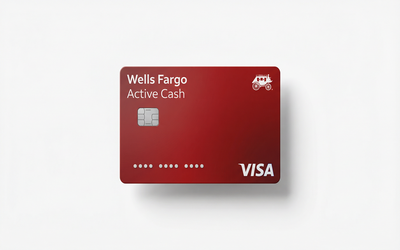
| Wells Fargo Reflect® Card | Wells Fargo | 0% for 21 months | 0% for 21 months | 17.49%-28.24% Variable | $0 | Extended 0% intro APR for BT & purchases |
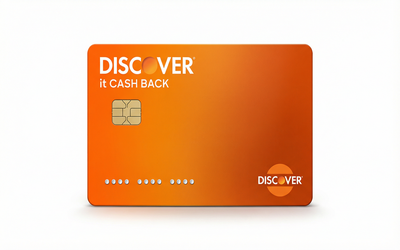
| Discover it® Cash Back | Discover | 0% for 18 months | 0% for 6 months | 17.49%-26.49% Variable | $0 | Cashback Match™ & 5% categories |
| Citi Double Cash® Card | Citibank | 0% for 18 months | N/A | 17.49%-27.49% Variable | $0 | Unlimited 2% cash back |
| Chase Freedom Unlimited® | Chase | 0% for 15 months | 0% for 15 months | 18.24%-27.74% Variable | $0 | All-around cash back |
| BankAmericard® credit card | Bank of America | 0% for 21 billing cycles | 0% for 21 billing cycles | 14.99%-25.99% Variable | $0 | Longest intro period for transfers & purchases |
How to Choose the Best Balance Transfer Card for a 660 Credit Score
1. Check Your Credit Score
While a 660 credit score is considered fair, some of the best balance transfer cards require good to excellent credit. Knowing your exact score helps you target appropriate cards.
2. Compare Intro APR Periods
Look for cards with the longest 0% intro APR period on balance transfers to give you ample time to pay down your debt without accruing interest.
3. Consider Balance Transfer Fees
Most balance transfer cards charge a fee, typically 3-5% of the transferred amount. Factor this into your savings calculations.
4. Evaluate Post-Intro APR and Other Benefits
After the introductory period, the regular APR will apply. Also, consider if the card offers rewards or other benefits that make it valuable long-term.
Frequently Asked Questions (FAQ)
Yes, while many top-tier balance transfer cards prefer good to excellent credit (690+), there are options available for individuals with a 660 credit score, which falls into the "fair" credit range. It is important to compare different offers and understand their specific credit requirements.
Most balance transfer cards charge a fee, usually between 3% and 5% of the amount transferred. This fee is added to your balance. Some cards offer promotional periods with no balance transfer fee, so it's worth looking for those if available.
The length of 0% intro APR periods for balance transfers can vary significantly, typically ranging from 12 to 21 months. Some cards also offer an introductory 0% APR on new purchases, which can be shorter or match the balance transfer period.
Generally, no. Most credit card issuers do not allow you to transfer a balance from one of their cards to another card they issue. You will typically need to transfer your balance to a card from a different bank or financial institution.
Once the introductory 0% APR period expires, any remaining balance on the card will be subject to the card's standard variable APR. It is crucial to try and pay off your transferred balance before this period ends to maximize your savings.