Advertiser Disclosure: WiseIQ is reader-supported. When you apply through links on this page, we may earn a commission at no extra cost to you. Learn more.
CREDIT CARDS
Best Credit Cards in New York 2026
Sorted by APR. These are today's best rates for your loan amount.
Filtered for lenders most likely to approve your application.
Sorted by funding speed. Same-day and next-day options highlighted.
Personal loans built for debt consolidation — lower rates than most credit cards.
We've simplified the comparison to the top 3 options for first-time borrowers.
Based on your browsing, here are the top picks most users in your position chose.
LIMITED OFFER0% APRfor up to 21 months · No annual fee
📋 Reviewed by WiseIQ Editorial Team · Updated April 2026 · Editorially independent
Navigating the credit card landscape in New York requires understanding both national offerings and state-specific financial nuances. This guide helps New Yorkers find the best credit cards to suit their needs, from maximizing rewards to managing debt effectively in a high cost-of-living environment.
WiseIQ Expert Tip
Always pay your statement balance in full each month — not just the minimum. Carrying a balance costs the average American over $1,200 per year in interest charges.
New York Financial Snapshot
721Average FICO Score [1]
$85,974Median Household Income [2]
148.2Cost of Living Index [3]
27% HigherCost of Living vs. National Avg. [3]
Best Credit Cards in New York for 2026
Credit Cards in New York: What You Need to Know
New York, known as the Empire State, has a population of 20.2M with a median household income of approximately $78,000. The current unemployment rate stands at 4.4%, which lenders consider when evaluating applications from New York residents.
20.2M
Population
$78,000
Median Income
4.4%
Unemployment
Major financial hub: New York City is the primary financial center for New York residents, with access to both national and regional lenders.
Chase Freedom Flex℠
Best for rotating bonus categories & cash back
Top Pick
18.24% - 27.74% Variable
Regular APR
670+
Min. Credit Score
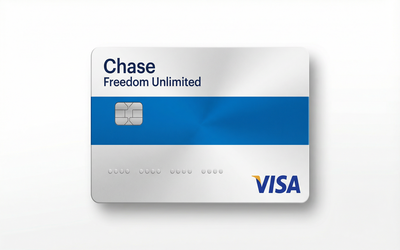
Key Highlight: Earn 5% cash back on activated bonus categories each quarter (up to $1,500 in purchases, then 1%), 5% on Chase Travel℠, and 3% on dining and drugstores. Enjoy a $200 bonus after spending $500 in the first 3 months [10].
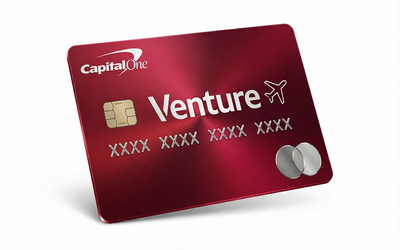
Key Highlight: Earn unlimited 2X miles on every purchase, and 5X miles on hotels and rental cars booked through Capital One Travel. Limited-time offer: Earn 75,000 bonus miles after spending $4,000 in the first 3 months [11].
Key Highlight: Earn 4X points at restaurants worldwide and at U.S. supermarkets (on up to $25K/year), 3X points on flights booked directly with airlines. Access up to $120 Uber Cash and $120 Dining Credits annually [12].
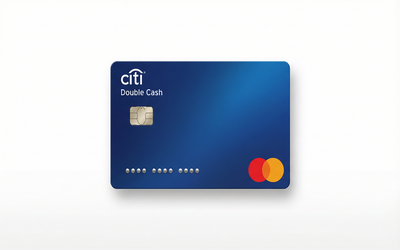
Key Highlight: Earn 2% cash back on every purchase: 1% when you buy and 1% when you pay. Plus, a $200 cash back bonus after spending $1,500 in the first 6 months [13].
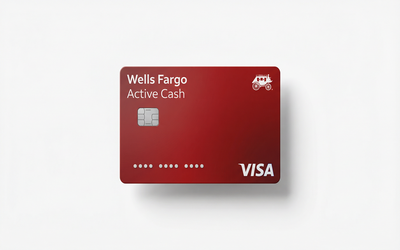
Key Highlight: Enjoy 0% intro APR for 21 months on purchases and qualifying balance transfers. Benefits include cellular telephone protection and Zero Liability protection [14].
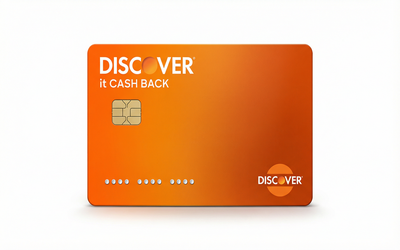
Key Highlight: Earn 5% cash back on everyday purchases at different places each quarter like Amazon.com, grocery stores, restaurants, and gas stations, up to quarterly maximum when you activate. Discover will automatically match all the cash back you earn at the end of your first year [15].
Choosing the right credit card in New York involves more than just looking at attractive rewards. It requires a careful assessment of your spending habits, credit score, and financial goals. Consider whether you prioritize cash back, travel rewards, or a low introductory APR for balance transfers or large purchases. For instance, if you frequently dine out or buy groceries, a card like the American Express® Gold Card might be ideal due to its accelerated rewards in these categories. Conversely, if you
plan to carry a balance, a card with a long 0% intro APR period, such as the Wells Fargo Reflect® Card, could save you significant money on interest. Always review the card's terms and conditions, including annual fees, interest rates, and any foreign transaction fees, especially if you travel frequently outside the U.S. or make international purchases.
Your credit score plays a crucial role in determining which cards you qualify for and the interest rates you receive. New York's average FICO score is 721 [1], indicating a generally strong credit profile among residents. If your score is below this average, focusing on cards designed for fair or good credit can be a more realistic approach. Additionally, understanding your spending patterns can help you select a card that truly maximizes your benefits. For example, if you spend heavily in rotating bonus categories, the Chase Freedom Flex℠ could be a powerful tool, provided you remember to activate the categories each quarter.
Who Should Look Elsewhere
A credit card is not the right tool for every situation. Consider alternatives if any of the following apply to you:
You carry a balance month-to-month: At an average APR of 21.76%, carrying a balance on a rewards card will cost more than the rewards are worth. A personal loan at a lower fixed rate is almost always cheaper for debt you cannot pay off monthly.
You need cash, not credit: Credit card cash advances typically charge 25–30% APR with no grace period and a 3–5% transaction fee. A personal loan is significantly cheaper for cash needs.
Your credit score is below 580: Most rewards and cashback cards require 670+. Below 580, a secured credit card or credit-builder loan is a more realistic path to building credit.
You are rebuilding after bankruptcy: Most unsecured cards are unavailable for 1–2 years post-discharge. A secured card with a refundable deposit is the standard rebuilding tool.
🎯
Not sure which option is right for you?
Answer 3 quick questions and get a personalized recommendation in seconds.
New York State has several regulations and financial characteristics that can influence your credit card choices and usage. The state's high cost of living, particularly in major metropolitan areas like New York City, Buffalo, and Rochester, means that maximizing rewards and managing debt are even more critical. The cost of living index in New York is 148.2, which is 27% higher than the national average [3]. This elevated cost can make features like cash back on groceries and dining particularly valuable.
New York also has specific consumer protection laws that impact credit card holders. For instance, recent legislation has focused on transparency regarding credit card surcharges. As of February 2024, businesses in New York are required to clearly disclose any additional fees for credit card transactions [4]. This means you should not encounter unexpected surcharges when using your credit card, provided the merchant complies with the law. Additionally, New York City has finalized expanded debt collection rules, which cover original creditors and third-party collectors, offering more protection to consumers regarding disputed debts [5]. These regulations underscore the importance of understanding your rights as a credit card holder in the state.
For those considering Buy Now, Pay Later (BNPL) options, New York has rolled out comprehensive regulations, including mandatory licensing for all BNPL providers as of February 2026 [6]. While not directly credit cards, BNPL services are a form of credit, and these regulations aim to protect consumers using such services. Always be aware of the interest rates and terms associated with any credit product, and ensure you are comfortable with the repayment schedule, especially given New York's financial landscape.
We monitor rates across 50+ lenders and alert you when better options become available for your profile.
No spam. Unsubscribe anytime. We never sell your data.
W
WiseIQ Editorial Team
Reviewed by Certified Financial Planners & Industry Experts
Our editorial team consists of financial writers, CFPs, and former banking professionals dedicated to providing accurate, unbiased financial guidance. All content is fact-checked and updated regularly. Learn about our editorial standards →
Frequently Asked Questions
What is the average credit score in New York?
The average FICO score in New York was 721 in 2025, which is considered a good credit score [1]. This is slightly above the national average.
Are there any state-specific credit card laws in New York I should be aware of?
Yes, New York has laws regarding credit card surcharges, requiring businesses to clearly disclose any additional fees for credit card transactions. Additionally, New York City has expanded debt collection rules to protect consumers [4] [5].
Which credit cards are best for New Yorkers with excellent credit?
For New Yorkers with excellent credit (typically 740+), cards like the Capital One Venture Rewards Credit Card or American Express® Gold Card offer premium rewards for travel, dining, and groceries. Cards with strong cash back programs like Chase Freedom Flex℠ or Citi Double Cash® Card are also excellent choices for maximizing everyday spending [10] [11] [12] [13].
How does the high cost of living in New York affect my credit card choices?
The high cost of living in New York means that maximizing rewards on everyday spending, such as groceries, dining, and transportation, can be particularly beneficial. Cash back cards or cards with bonus categories aligned with these expenses can help offset some of the higher costs. Additionally, managing debt effectively is crucial, making cards with low APRs or introductory 0% APR offers valuable for large purchases or balance transfers [3].
Focus on the Annual Percentage Rate (APR), which includes both interest and fees. Compare minimum credit score requirements, funding speed, loan amounts, and repayment terms. Read recent customer reviews on Trustpilot and the BBB. Getting pre-qualified lets you see real personalized offers.
The interest rate is the base cost of borrowing. APR (Annual Percentage Rate) includes the interest rate plus all fees (origination fees, closing costs, etc.), expressed as a yearly rate. APR gives you a more complete picture of the true cost of a loan — always compare APRs, not just interest rates.
Credit scores have a dramatic impact on rates. On a $20,000 personal loan, the difference between a 720 score (8% APR) and a 580 score (25% APR) is over $9,000 in additional interest over 5 years. Improving your score before applying can save thousands.
Reputable online lenders use bank-level encryption (256-bit SSL) to protect your data. Look for HTTPS in the URL, check that the lender is registered in your state, verify their BBB rating, and read privacy policies before submitting personal information. Avoid lenders who contact you unsolicited.