Advertiser Disclosure: WiseIQ is reader-supported. When you apply through links on this page, we may earn a commission at no extra cost to you. Learn more.
CREDIT CARDS
Best Credit Cards in Pennsylvania 2026
Sorted by APR. These are today's best rates for your loan amount.
Filtered for lenders most likely to approve your application.
Sorted by funding speed. Same-day and next-day options highlighted.
Personal loans built for debt consolidation — lower rates than most credit cards.
We've simplified the comparison to the top 3 options for first-time borrowers.
Based on your browsing, here are the top picks most users in your position chose.
LIMITED OFFER0% APRfor up to 21 months · No annual fee
📋 Reviewed by WiseIQ Editorial Team · Updated April 2026 · Editorially independent
Explore the top credit card options for Pennsylvania residents in 2026, offering competitive rates, generous rewards, and state-specific benefits to enhance your financial well-being.
WiseIQ Expert Tip
Always pay your statement balance in full each month — not just the minimum. Carrying a balance costs the average American over $1,200 per year in interest charges.
Pennsylvania Financial Snapshot
723Average Credit Score
$6,111Average Credit Card Balance
$1,781Average Monthly Rent
$269Average Monthly Utility Bill
Best Credit Cards in Pennsylvania for 2026
Credit Cards in Pennsylvania: What You Need to Know
Pennsylvania, known as the Keystone State, has a population of 13.0M with a median household income of approximately $67,000. The current unemployment rate stands at 3.7%, which lenders consider when evaluating applications from Pennsylvania residents.
13.0M
Population
$67,000
Median Income
3.7%
Unemployment
Major financial hub: Philadelphia is the primary financial center for Pennsylvania residents, with access to both national and regional lenders.
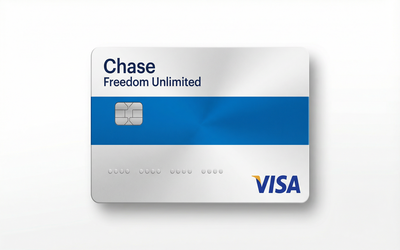
Chase Freedom Unlimited®
Best for Everyday Cash Back
WiseIQ Pick
18.24%–27.74%
Variable APR
Good to Excellent
Credit Score
$0
Annual Fee
Key Highlight: Earn unlimited 1.5% cash back on all purchases, plus 3% on dining and drugstores, and 5% on travel purchased through Chase TravelSM.
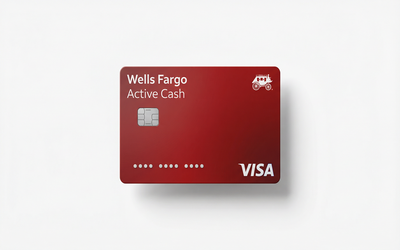
Key Highlight: Earn 3% cash back in a category of your choice, 2% at grocery stores and wholesale clubs (on the first $2,500 in combined choice category/grocery store/wholesale club purchases each quarter), and 1% on all other purchases.
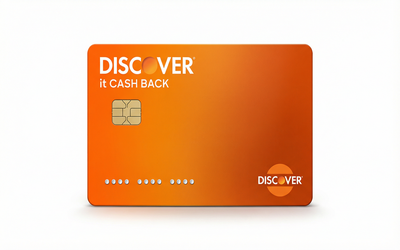
Key Highlight: Earn 5% cash back on everyday purchases at different places each quarter (up to quarterly maximum when activated), and 1% cash back on all other purchases. Unlimited Cashback Match™ at the end of the first year.
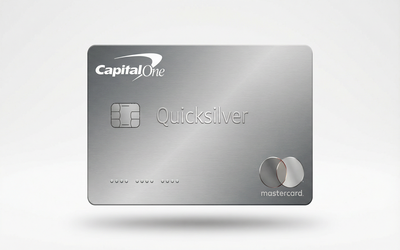
Key Highlight: Earn unlimited 1.5% cash back on every purchase. Build credit with responsible use and be automatically considered for a higher credit line in as little as 6 months.
How to Choose the Best Credit Card in Pennsylvania
Choosing the right credit card in Pennsylvania requires a thoughtful approach, taking into account your personal financial situation, spending habits, and the unique economic landscape of the Keystone State. It's not just about finding a card with attractive rewards; it's about identifying a financial tool that genuinely supports your goals. Start by assessing your credit score. With Pennsylvania's average credit score hovering around 723, many residents are in a strong position to qualify for cards with excellent terms. However, whether your score is excellent, good, or fair, there are cards designed to meet your needs, from premium rewards cards to options focused on building credit. Understanding your credit tier is fundamental to narrowing down the best choices available to you.
Beyond your credit score, consider what you want to achieve with your credit card. Are you looking to earn cash back on everyday purchases, accumulate travel miles for future adventures, or perhaps transfer a high-interest balance to save money? Each card is designed with different benefits, and aligning these with your lifestyle is key. For instance, if you frequently commute or travel, a card offering bonus rewards on gas or travel expenses could be highly beneficial. If you're planning a large purchase, a card with a 0% introductory APR on purchases can provide significant savings. Always scrutinize the card's annual fee, the ongoing APR after any introductory periods, and any foreign transaction fees if you travel internationally. A card that offers long-term value and fits seamlessly into your financial strategy will be the most rewarding.
Furthermore, it's crucial to compare not just the benefits but also the fine print. Look for transparency in terms and conditions, understanding how interest is calculated, what fees apply, and how rewards are redeemed. Many cards offer sign-up bonuses, which can be a great way to kickstart your rewards, but ensure you can meet the spending requirements without overextending yourself. WiseIQ recommends reviewing at least three to five different card options that align with your financial profile before making a decision. This comprehensive approach ensures you select a credit card that not only offers immediate benefits but also contributes positively to your long-term financial health in Pennsylvania.
Who Should Look Elsewhere
A credit card is not the right tool for every situation. Consider alternatives if any of the following apply to you:
You carry a balance month-to-month: At an average APR of 21.76%, carrying a balance on a rewards card will cost more than the rewards are worth. A personal loan at a lower fixed rate is almost always cheaper for debt you cannot pay off monthly.
You need cash, not credit: Credit card cash advances typically charge 25–30% APR with no grace period and a 3–5% transaction fee. A personal loan is significantly cheaper for cash needs.
Your credit score is below 580: Most rewards and cashback cards require 670+. Below 580, a secured credit card or credit-builder loan is a more realistic path to building credit.
You are rebuilding after bankruptcy: Most unsecured cards are unavailable for 1–2 years post-discharge. A secured card with a refundable deposit is the standard rebuilding tool.
🎯
Not sure which option is right for you?
Answer 3 quick questions and get a personalized recommendation in seconds.
Pennsylvania-Specific Considerations for Credit Card Holders
Pennsylvania presents a unique financial environment that credit card holders should be aware of. The state's cost of living, which is approximately 4% lower than the national average, can influence budgeting and spending patterns, potentially allowing for more disposable income or faster debt repayment. This economic factor, combined with a median individual income of $50,970, suggests a stable financial backdrop for many residents. However, it's also important to note the average credit card balance in Pennsylvania is around $6,111, indicating that managing credit effectively remains a priority for many. Understanding these local economic indicators can help you make more informed decisions about credit card usage and debt management.
While federal laws largely govern credit card operations, Pennsylvania does offer specific consumer protections. The Pennsylvania Attorney General's Bureau of Consumer Protection actively works to safeguard residents from unfair or deceptive business practices, including those related to credit and debt. This provides an important layer of security for cardholders who might encounter issues with their credit card providers or debt collectors. Additionally, it's beneficial to be aware of the state's statute of limitations for debt collection, which is generally four years for most contract-based debts, including credit card debt. This legal detail can be significant for residents dealing with older outstanding balances, though it's always advisable to seek legal counsel for specific situations.
Moreover, Pennsylvania residents should be mindful of how local economic trends might affect their credit health. For example, employment rates, housing market stability, and local industry growth can all indirectly impact an individual's financial capacity to manage credit. Staying informed about these broader economic shifts can help you anticipate potential financial challenges or opportunities. WiseIQ encourages Pennsylvania cardholders to regularly review their credit reports, understand their rights under state consumer protection laws, and leverage available resources to maintain strong financial health. By being proactive and informed, you can navigate the credit card landscape in Pennsylvania with greater confidence and security.
We monitor rates across 50+ lenders and alert you when better options become available for your profile.
No spam. Unsubscribe anytime. We never sell your data.
W
WiseIQ Editorial Team
Reviewed by Certified Financial Planners & Industry Experts
Our editorial team consists of financial writers, CFPs, and former banking professionals dedicated to providing accurate, unbiased financial guidance. All content is fact-checked and updated regularly. Learn about our editorial standards →
Frequently Asked Questions
What is the average credit score in Pennsylvania?
The average credit score in Pennsylvania is approximately 723, which falls within the 'Good' credit range. This score can vary slightly depending on the reporting agency (e.g., FICO, VantageScore) and the year of the data.
Are there any Pennsylvania-specific credit card laws I should know about?
While federal laws like the CARD Act govern most credit card regulations, Pennsylvania has consumer protection laws enforced by the Attorney General's office that protect residents from unfair debt collection practices. The statute of limitations for credit card debt in Pennsylvania is generally four years.
What is the typical APR for credit cards in Pennsylvania?
Credit card APRs are generally set by federal regulations and the issuing bank, not by individual states. Based on national averages, variable APRs for credit cards typically range from 17% to 29% in 2026, depending on your creditworthiness and the card type.
What credit score is considered 'good' in Pennsylvania for credit card applications?
A credit score of 670-739 is generally considered 'Good,' and 740-799 is 'Very Good.' With Pennsylvania's average credit score around 723, having a score in this range or higher will typically give you access to a wider range of credit card products with more favorable terms.
Focus on the Annual Percentage Rate (APR), which includes both interest and fees. Compare minimum credit score requirements, funding speed, loan amounts, and repayment terms. Read recent customer reviews on Trustpilot and the BBB. Getting pre-qualified lets you see real personalized offers.
The interest rate is the base cost of borrowing. APR (Annual Percentage Rate) includes the interest rate plus all fees (origination fees, closing costs, etc.), expressed as a yearly rate. APR gives you a more complete picture of the true cost of a loan — always compare APRs, not just interest rates.
Credit scores have a dramatic impact on rates. On a $20,000 personal loan, the difference between a 720 score (8% APR) and a 580 score (25% APR) is over $9,000 in additional interest over 5 years. Improving your score before applying can save thousands.
Reputable online lenders use bank-level encryption (256-bit SSL) to protect your data. Look for HTTPS in the URL, check that the lender is registered in your state, verify their BBB rating, and read privacy policies before submitting personal information. Avoid lenders who contact you unsolicited.