Home›Blog›Best Credit Cards in North Carolina 2026
Advertiser Disclosure: WiseIQ is reader-supported. When you apply through links on this page, we may earn a commission at no extra cost to you. Learn more.
CREDIT CARDS
Best Credit Cards in North Carolina 2026
Sorted by APR. These are today's best rates for your loan amount.
Filtered for lenders most likely to approve your application.
Sorted by funding speed. Same-day and next-day options highlighted.
Personal loans built for debt consolidation — lower rates than most credit cards.
We've simplified the comparison to the top 3 options for first-time borrowers.
Based on your browsing, here are the top picks most users in your position chose.
LIMITED OFFER0% APRfor up to 21 months · No annual fee
📋 Reviewed by WiseIQ Editorial Team · Updated April 2026 · Editorially independent
Navigate the North Carolina credit card landscape with confidence. Our guide helps you find the best credit cards tailored to your financial goals and state-specific considerations.
WiseIQ Expert Tip
Always pay your statement balance in full each month — not just the minimum. Carrying a balance costs the average American over $1,200 per year in interest charges.
North Carolina Financial Snapshot
699Avg. Credit Score
$72,388Median Household Income
$51,081/yearAvg. Cost of Living
Best Credit Cards in North Carolina for 2026
Credit Cards in North Carolina: What You Need to Know
North Carolina, known as the Tar Heel State, has a population of 10.7M with a median household income of approximately $62,000. The current unemployment rate stands at 3.4%, which lenders consider when evaluating applications from North Carolina residents.
10.7M
Population
$62,000
Median Income
3.4%
Unemployment
Major financial hub: Charlotte is the primary financial center for North Carolina residents, with access to both national and regional lenders.
Here are some of the top credit card options available to North Carolina residents, catering to different financial goals and credit profiles.
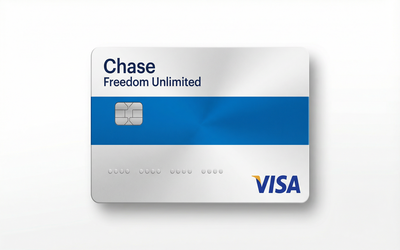
Chase Freedom Unlimited
Everyday Cash Back
WiseIQ Pick
0% Intro APR
for 15 months
670-850
Min Credit Score
Key Highlight: Earn 5% cash back on travel purchased through Chase Ultimate Rewards, 3% on dining and drugstore purchases, and 1.5% on all other purchases.
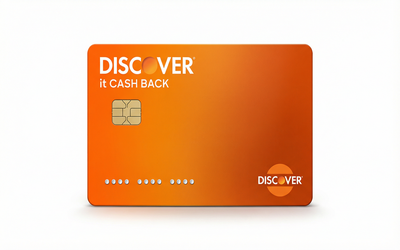
Key Highlight: Earn 5% cash back on everyday purchases at different places each quarter like Amazon.com, grocery stores, restaurants, gas stations, and when you pay using PayPal, up to the quarterly maximum when you activate. Plus, unlimited 1% cash back on all other purchases.
Bank of America® Customized Cash Rewards credit card
Customizable Rewards
0% Intro APR
for 18 billing cycles
670-850
Min Credit Score
Key Highlight: Earn 3% cash back in the category of your choice, 2% at grocery stores and wholesale clubs (on the first $2,500 in combined choice category/grocery store/wholesale club purchases each quarter), and 1% on all other purchases.
A credit card is not the right tool for every situation. Consider alternatives if any of the following apply to you:
You carry a balance month-to-month: At an average APR of 21.76%, carrying a balance on a rewards card will cost more than the rewards are worth. A personal loan at a lower fixed rate is almost always cheaper for debt you cannot pay off monthly.
You need cash, not credit: Credit card cash advances typically charge 25–30% APR with no grace period and a 3–5% transaction fee. A personal loan is significantly cheaper for cash needs.
Your credit score is below 580: Most rewards and cashback cards require 670+. Below 580, a secured credit card or credit-builder loan is a more realistic path to building credit.
You are rebuilding after bankruptcy: Most unsecured cards are unavailable for 1–2 years post-discharge. A secured card with a refundable deposit is the standard rebuilding tool.
🎯
Not sure which option is right for you?
Answer 3 quick questions and get a personalized recommendation in seconds.
How to Choose the Best Credit Card in North Carolina
Choosing the right credit card involves evaluating your spending habits, financial goals, and credit score. For North Carolina residents, it's important to consider how a card's rewards structure aligns with local spending patterns, such as gas prices or grocery costs. Additionally, understanding your credit score is paramount, as it dictates the types of cards and interest rates you'll qualify for. Aim for cards that offer benefits you'll actually use, whether it's cash back on everyday purchases, travel rewards, or a low introductory APR for balance transfers.
Beyond rewards, pay close attention to the annual percentage rate (APR), especially after any introductory periods. While many excellent cards offer no annual fee, some premium cards may justify a fee with substantial benefits. Always read the fine print regarding fees, penalties, and terms and conditions to avoid surprises. A credit card should be a tool to enhance your financial well-being, not a source of unexpected debt.
North Carolina-Specific Considerations
North Carolina does not have specific state laws that cap credit card interest rates, as federal laws generally govern these aspects. However, consumers are protected by federal regulations like the Truth in Lending Act (TILA) and the Credit Card Accountability Responsibility and Disclosure (CARD) Act. It's always advisable for North Carolina residents to be aware of their rights and to report any predatory lending practices to the North Carolina Department of Justice. The state also has various financial literacy programs and credit counseling services available to assist residents in managing their credit and debt effectively.
We monitor rates across 50+ lenders and alert you when better options become available for your profile.
No spam. Unsubscribe anytime. We never sell your data.
W
WiseIQ Editorial Team
Reviewed by Certified Financial Planners & Industry Experts
Our editorial team consists of financial writers, CFPs, and former banking professionals dedicated to providing accurate, unbiased financial guidance. All content is fact-checked and updated regularly. Learn about our editorial standards →
Frequently Asked Questions
What is the average credit score in North Carolina?
The average VantageScore in North Carolina was 699 as of March 2024, which falls into the “Good” credit score range. This indicates that many North Carolina residents have a solid credit foundation, making them eligible for a wide range of credit card products.
Are there any North Carolina-specific credit card laws I should be aware of?
North Carolina does not have specific state laws that cap credit card interest rates. Federal laws, such as the Truth in Lending Act (TILA) and the Credit Card Accountability Responsibility and Disclosure (CARD) Act, primarily govern credit card terms and consumer protections. However, it's always wise to review your cardholder agreement carefully and understand all terms and conditions.
How does the cost of living in North Carolina affect my credit card choices?
The average cost of living in North Carolina is $51,081 per year (2025), which is generally lower than the national average. This can influence your credit card choices by allowing you to potentially allocate more funds towards paying down balances or maximizing rewards on everyday spending categories like groceries or gas, depending on your budget and financial goals. Choosing a card with strong rewards in categories where you spend the most can be particularly beneficial.
Where can I find credit counseling services in North Carolina?
North Carolina offers various non-profit credit counseling services to help residents manage debt, improve credit, and develop financial literacy. Organizations like the National Foundation for Credit Counseling (NFCC) can provide resources and connect you with certified credit counselors in your area. The North Carolina Department of Justice also offers consumer protection resources and information on financial education.
North Carolina's 30% APR cap protects you — but only for loans under $10,000
NC caps consumer loan APRs at 30% for loans under $10,000. For larger loans, licensed lenders may charge market rates. If a lender is offering you a rate above 30% on a loan under $10,000 in North Carolina, they may be violating state law — report them to the NC Commissioner of Banks at nccob.gov.
North Carolina was one of the first states to ban payday lending. Some online lenders attempt to circumvent this by claiming tribal sovereignty or out-of-state licensing. These lenders are operating in a legal gray area — stick with licensed lenders like Upstart that comply with NC law.
⚠
Charlotte-area residents: compare bank offers carefully
Charlotte is the second-largest banking hub in the US (home to Bank of America and Truist). Local bank rates can be competitive for existing customers, but online lenders like Upstart often beat them for borrowers without premium credit profiles.
How to Apply for a Personal Loan in North Carolina
1
Pre-qualify online — NC residents get a decision in minutes
Upstart's online application takes about 5 minutes. Enter your loan amount, purpose, and personal information. The initial check is a soft pull with no credit score impact.
2
Verify your NC identity documents
North Carolina requires lenders to verify borrower identity. Have your NC driver's license or state ID ready, along with your Social Security number.
3
Submit income documentation
Upstart accepts pay stubs (last 2), bank statements (last 3 months), or most recent tax return for income verification. NC residents who are self-employed should prepare 2 years of tax returns.
4
Sign and fund
After approval, sign your loan agreement electronically. Upstart deposits funds to your NC bank account within 1 business day via ACH transfer.
Frequently Asked Questions
What is the maximum APR for a personal loan in North Carolina?
North Carolina caps personal loan APRs at 30% for loans under $10,000 under the Consumer Finance Act. For loans above $10,000, licensed lenders may charge market rates. Upstart's rates range from 6.20% to 35.99% — for NC borrowers taking loans under $10,000, Upstart's rates will comply with the 30% cap.
What credit score do I need for a personal loan in North Carolina?
North Carolina's average credit score is 693. Most lenders require 620+. Upstart accepts scores as low as 300, making it accessible to NC borrowers with limited or damaged credit history.
Are there personal loan options for NC state employees?
Yes. The State Employees' Credit Union (SECU) is one of the largest credit unions in the US and is available to NC state employees, teachers, and their families. SECU offers competitive personal loan rates. Compare SECU's offer against Upstart before deciding.
Can I get a personal loan in North Carolina with a bankruptcy on my record?
It depends on how recent the bankruptcy is. Most lenders require at least 1–2 years post-discharge. Upstart evaluates each application individually and may approve borrowers with older bankruptcies if other factors (income, employment stability) are strong.
How do I report a predatory lender in North Carolina?
File a complaint with the NC Commissioner of Banks at nccob.gov, the NC Attorney General's Consumer Protection Division, or the federal Consumer Financial Protection Bureau (CFPB) at consumerfinance.gov/complaint.
People Also Ask
Focus on the Annual Percentage Rate (APR), which includes both interest and fees. Compare minimum credit score requirements, funding speed, loan amounts, and repayment terms. Read recent customer reviews on Trustpilot and the BBB. Getting pre-qualified lets you see real personalized offers.
The interest rate is the base cost of borrowing. APR (Annual Percentage Rate) includes the interest rate plus all fees (origination fees, closing costs, etc.), expressed as a yearly rate. APR gives you a more complete picture of the true cost of a loan — always compare APRs, not just interest rates.
Credit scores have a dramatic impact on rates. On a $20,000 personal loan, the difference between a 720 score (8% APR) and a 580 score (25% APR) is over $9,000 in additional interest over 5 years. Improving your score before applying can save thousands.
Reputable online lenders use bank-level encryption (256-bit SSL) to protect your data. Look for HTTPS in the URL, check that the lender is registered in your state, verify their BBB rating, and read privacy policies before submitting personal information. Avoid lenders who contact you unsolicited.