Advertiser Disclosure: WiseIQ is reader-supported. When you apply through links on this page, we may earn a commission at no extra cost to you. Learn more.
📋 By WiseIQ Editorial · Updated May 2026 · Editorially independent
Our team of experts has analyzed the top travel credit cards to help you find the perfect one for your needs. Whether you're a frequent flyer or a casual vacationer, we've got you covered.
WiseIQ Expert Tip
Always pay your statement balance in full each month — not just the minimum. Carrying a balance costs the average American over $1,200 per year in interest charges.
Quick Comparison: Best Travel Rewards Credit Cards at a Glance
Market Rate Context
National average credit card APR: 21.76% — The national average is 21.76% APR. Source: Federal Reserve G.19 Consumer Credit Report, May 2026.
A credit card is not the right tool for every situation. Consider alternatives if any of the following apply to you:
You carry a balance month-to-month: At an average APR of 21.76%, carrying a balance on a rewards card will cost more than the rewards are worth. A personal loan at a lower fixed rate is almost always cheaper for debt you cannot pay off monthly.
You need cash, not credit: Credit card cash advances typically charge 25–30% APR with no grace period and a 3–5% transaction fee. A personal loan is significantly cheaper for cash needs.
Your credit score is below 580: Most rewards and cashback cards require 670+. Below 580, a secured credit card or credit-builder loan is a more realistic path to building credit.
You are rebuilding after bankruptcy: Most unsecured cards are unavailable for 1–2 years post-discharge. A secured card with a refundable deposit is the standard rebuilding tool.
🎯
Not sure which lender fits your credit range?
See who actually approves your score range — and the APR to expect.
Our selection process is based on a comprehensive analysis of several key factors:
Rewards Rate:We prioritize cards that offer high rewards rates on travel and everyday spending.
Annual Fee:We consider the annual fee in relation to the card's benefits and rewards.
Sign-up Bonus:We look for cards with generous sign-up bonuses that provide immediate value.
Travel Perks:We evaluate the quality and value of travel benefits, such as lounge access and travel credits.
Who Should Apply?
Frequent Travelers
If you travel often for business or pleasure, a premium travel credit card like The Platinum Card® from American Express or the Chase Sapphire Reserve® can provide significant value through lounge access, travel credits, and other perks.
Casual Travelers
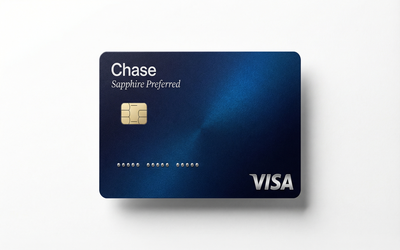
For those who travel less frequently, a card with a lower annual fee, such as the Chase Sapphire Preferred® Card, can be a great option. It offers excellent rewards on travel and dining without the high cost of a premium card.
Simplicity Seekers
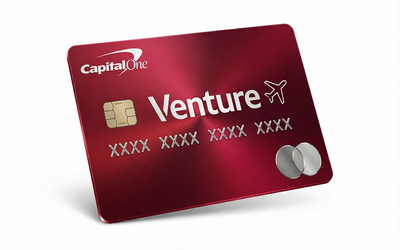
If you prefer a straightforward rewards program, the Capital One Venture X Rewards Credit Card is an excellent choice. It offers a simple, flat-rate rewards structure that makes it easy to earn and redeem miles.
We monitor rates across 50+ lenders and alert you when better options become available for your profile.
No spam. Unsubscribe anytime. We never sell your data.
W
WiseIQ Editorial Team
Reviewed by Certified Financial Planners & Industry Experts
Our editorial team consists of financial writers, CFPs, and former banking professionals dedicated to providing accurate, unbiased financial guidance. All content is fact-checked and updated regularly. Learn about our editorial standards →
Frequently Asked Questions
What is the best travel credit card for beginners?
The Chase Sapphire Preferred® Card is an excellent choice for beginners. It has a reasonable annual fee, a great sign-up bonus, and a straightforward rewards program.
Are travel credit cards worth the annual fee?
For many people, yes. The rewards, benefits, and perks offered by travel credit cards can often outweigh the annual fee, especially for those who travel frequently.
How do I choose the right travel credit card?
Consider your travel habits, spending patterns, and financial goals. If you're a frequent flyer with a specific airline, a co-branded airline credit card might be a good choice. If you prefer flexibility, a general travel rewards card is a better option.
What credit score do I need for a travel credit card?
Most travel credit cards require a good to excellent credit score, typically 700 or higher. However, some cards may be available to those with lower scores.
Focus on the Annual Percentage Rate (APR), which includes both interest and fees. Compare minimum credit score requirements, funding speed, loan amounts, and repayment terms. Read recent customer reviews on Trustpilot and the BBB. Getting pre-qualified lets you see real personalized offers.
The interest rate is the base cost of borrowing. APR (Annual Percentage Rate) includes the interest rate plus all fees (origination fees, closing costs, etc.), expressed as a yearly rate. APR gives you a more complete picture of the true cost of a loan — always compare APRs, not just interest rates.
Credit scores have a dramatic impact on rates. On a $20,000 personal loan, the difference between a 720 score (8% APR) and a 580 score (25% APR) is over $9,000 in additional interest over 5 years. Improving your score before applying can save thousands.
Reputable online lenders use bank-level encryption (256-bit SSL) to protect your data. Look for HTTPS in the URL, check that the lender is registered in your state, verify their BBB rating, and read privacy policies before submitting personal information. Avoid lenders who contact you unsolicited.