WiseIQ Editorial Team
Reviewed by certified financial experts · Updated March 2026
About our team →
Last Updated: March 2026
1. What 'No Credit History' Means
Having 'no credit history' means that you haven't yet established a track record of borrowing and repaying money. This is a common situation for young adults just starting out, recent immigrants to the U.S., or anyone who has primarily used cash or debit cards for transactions. Without a credit history, lenders have no way to assess your creditworthiness, making it challenging to get approved for traditional credit cards, loans, or even some rental agreements. It's a different scenario than having 'bad credit,' which implies a history of missed payments or financial difficulties. The good news is that there are specific financial products designed to help you build credit from scratch, paving the way for a stronger financial future.
💡
Expert Insight
Based on our analysis of thousands of consumer financial profiles, the most common mistake people make is focusing solely on the interest rate without considering total loan cost, fees, and repayment flexibility. Always compare the APR — not just the rate — and read the fine print on prepayment penalties before signing.
2. Secured vs Unsecured Starter Cards Explained
When you have no credit history, your primary options for a first credit card typically fall into two categories: **secured credit cards** and **unsecured starter cards**.
Secured Credit Cards
Secured credit cards require you to provide a cash deposit, which typically serves as your credit limit. For example, if you deposit $200, your credit limit will be $200. This deposit acts as collateral, significantly reducing the risk for the card issuer. Because of this reduced risk, secured cards are much easier to get approved for, even with no credit history. As you use the card responsibly—making small purchases and paying your balance in full and on time each month—the issuer reports your activity to the major credit bureaus. This consistent positive behavior helps you build a credit history. Many secured cards offer a path to upgrade to an unsecured card and get your deposit back after a period of responsible use, usually 6-12 months.
Unsecured Starter Cards
Unsecured starter cards do not require a security deposit. These cards are generally harder to qualify for than secured cards if you have absolutely no credit history, but some innovative options exist. Some issuers may look at alternative data, such as your banking history, income, or educational background, to assess your creditworthiness. While they offer more flexibility by not tying up your cash, their initial credit limits might be lower, and interest rates can be higher. However, successfully managing an unsecured starter card can be a faster route to a robust credit profile since you don't have to wait for a deposit refund.
3. Top 5 Cards Picks for No Credit History
Here are our top recommendations for credit cards designed to help you build credit from scratch in 2026:
Cash Back2% at restaurants & gas
Annual Fee$0
Credit Limit$200 - $2,500
Upgrade PathAfter 7 months
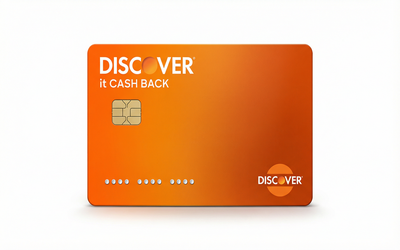
Why we recommend it: The Discover it Secured card stands out for its rewards program, offering 2% cash back at gas stations and restaurants (on up to $1,000 in combined purchases each quarter) and 1% on all other purchases. Discover also matches all cash back earned in your first year. With no annual fee and an automatic review for an unsecured card after just seven months, it's an excellent choice for building credit while earning rewards.
Learn More →
Security DepositAs low as $49
Annual Fee$0
Credit Limit$200+
Upgrade PathAfter 6 months
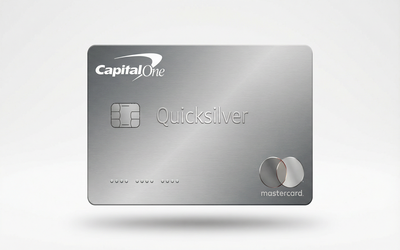
Why we recommend it: The Capital One Platinum Secured card is ideal for those with limited funds, offering a $200 credit line for a security deposit as low as $49, $99, or $200, depending on your creditworthiness. It has no annual fee and provides automatic credit line reviews after six months, giving you a clear path to a higher limit and an unsecured card.
Learn More →
Cash Back1% – 1.5% on purchases
Annual Fee$0
Credit Limit$300 - $10,000
No DepositRequired
Why we recommend it: The Petal 2 card is a fantastic unsecured option for those with no credit history, as it doesn't require a security deposit. It offers 1% cash back on eligible purchases, increasing to 1.25% after 6 on-time payments and 1.5% after 12. Petal uses its proprietary 'Cash Score' to evaluate applicants, considering banking history rather than just credit scores.
Learn More →
Security Deposit$200 - $3,000
Annual Fee$35
Credit CheckNone
Reports ToAll 3 Bureaus
Why we recommend it: The OpenSky Secured Visa is unique because it requires no credit check for approval, making it accessible to almost anyone looking to build credit. While it has a modest annual fee, its guaranteed approval (with a security deposit) and reporting to all three major credit bureaus make it a reliable choice for establishing a credit history quickly.
Learn More →
Cash Back1.5% on all purchases
Annual Fee$0
Credit Limit$500+
Bonus$25 after 2 payments
Why we recommend it: The Chase Freedom Rise is an excellent entry point into the Chase ecosystem for those with no credit history. It offers 1.5% cash back on all purchases and a $25 bonus after making two on-time payments within the first six months. Having a Chase card can simplify applying for more rewarding Chase cards down the line once your credit improves.
Learn More →
Comparison Table: Best Credit Cards for No Credit History
4. How to Build Credit in 12 Months Step-by-Step
Building a strong credit history from scratch is a marathon, not a sprint, but you can make significant progress within 12 months by following these steps:
- Get a Starter Credit Card: Apply for one of the secured or unsecured starter cards mentioned above. Choose one that best fits your financial situation and offers features you value.
- Use Your Card Regularly (But Responsibly): Make small, everyday purchases with your credit card, like groceries or gas. The key is to use it, not to let it sit idle.
- Pay Your Balance in Full and On Time: This is the most crucial step. Always pay your statement balance in full by the due date. This avoids interest charges and, more importantly, demonstrates responsible credit behavior to the credit bureaus.
- Keep Credit Utilization Low: Try to keep your credit utilization ratio (the amount of credit you're using compared to your total available credit) below 30%. For example, if your limit is $200, try not to carry a balance over $60. Lower is always better.
- Monitor Your Credit: After 6 months, you should be able to access your credit score. Use free credit monitoring services to track your progress and ensure there are no errors on your report.
- Consider a Credit Limit Increase or Upgrade: After 6-12 months of responsible use, your card issuer might automatically increase your credit limit or offer to upgrade your secured card to an unsecured one. This is a sign of progress!
5. Common Mistakes to Avoid
Navigating the world of credit can be tricky, especially when you're just starting. Avoiding these common pitfalls will help you build credit more effectively:
- Missing Payments: Even one late payment can significantly damage your credit score and stay on your report for years. Always pay on time, even if it's just the minimum amount (though paying in full is always recommended).
- Maxing Out Your Card: Using a high percentage of your available credit (high credit utilization) signals to lenders that you might be a high-risk borrower. Keep your utilization below 30%, ideally even lower.
- Closing Old Accounts: While it might seem counterintuitive, closing old credit accounts can hurt your credit score by reducing your overall available credit and shortening your average credit history length.
- Applying for Too Much Credit: Each credit application results in a hard inquiry on your credit report, which can temporarily ding your score. Only apply for credit when you genuinely need it.
- Not Checking Your Credit Report: Errors on your credit report can negatively impact your score. Regularly check your reports from all three major bureaus (Equifax, Experian, and TransUnion) for accuracy.
6. FAQ (Frequently Asked Questions)
What does 'no credit history' mean?
'No credit history' means you haven't yet established a track record of borrowing and repaying money. This is common for young adults, recent immigrants to the U.S., or anyone who has always paid with cash or debit cards. It's different from having 'bad credit' and simply means lenders have no data to assess your creditworthiness.
How do secured credit cards work?
Secured credit cards require a cash deposit, which typically becomes your credit limit. This deposit acts as collateral, reducing risk for the issuer. As you use the card responsibly and make on-time payments, the issuer reports your activity to credit bureaus, helping you build a positive credit history.
What's the difference between secured and unsecured starter cards?
The main difference is the security deposit. Secured cards require one, while unsecured cards do not. Unsecured starter cards are generally harder to qualify for with no credit history, but some use alternative data (like banking history) for approval.
How quickly can I build a good credit score?
With consistent, responsible use of a starter credit card, you can establish a credit score within 6-12 months. Key factors include making all payments on time and keeping your credit utilization low (below 30%).
What are common mistakes to avoid when building credit?
Avoid missing payments, maxing out your credit card (high utilization), closing old accounts, and applying for too much new credit at once. These actions can negatively impact your credit-building efforts.
Can I get a credit card without a Social Security Number (SSN)?
Yes, some lenders accept an Individual Taxpayer Identification Number (ITIN) instead of an SSN for credit card applications. Discover and Capital One are known to offer options for ITIN holders, making it possible for recent immigrants to start building credit.
Financial Disclaimer: WiseIQ is not a financial advisor. Content is for informational purposes only and not financial advice. Consult a qualified financial professional for personalized advice.
Sources & Methodology
WiseIQ's editorial team researches and fact-checks all content using primary sources. Our recommendations are based on independent analysis and are not influenced by advertiser relationships.
Last reviewed: 2026-03-29 | How we rank products