Updated March 2026 | Reviewed by WiseIQ Editorial Team
Financial decisions made with complete information consistently outperform those made under pressure or with incomplete data. Take time to compare at least 3 options before committing.
Choosing the right bank is a crucial financial decision that impacts your daily transactions, savings growth, and access to credit. In 2026, two of the largest and most recognizable names in the U.S. banking sector are Citibank and Chase. Both offer a comprehensive suite of financial products and services, but they cater to different customer needs and preferences. This in-depth comparison will help you navigate their offerings, from checking and savings accounts to credit cards and customer service, to determine which bank aligns best with your financial goals.
Citibank vs. Chase: At a Glance
Before diving into the specifics, here\'s a quick overview of how Citibank and Chase stack up against each other:
| Feature |  Citibank Citibank |
 Chase Chase |
|---|---|---|
| Branch Network | Smaller, concentrated in major metros | Extensive national presence |
| ATM Network | 60,000+ fee-free ATMs (including MoneyPass) | 15,000+ ATMs |
| Checking Accounts | Several options, potential for higher fees without balances | Popular options like Chase Total Checking, easier fee waivers |
| Savings Accounts | Competitive rates with higher tiers | Standard rates, often lower than online banks |
| Credit Cards | Strong travel rewards and cash back cards | Industry-leading rewards cards (Sapphire, Freedom) |
| Mobile App Rating | Highly rated, comprehensive features | Excellent ratings, user-friendly interface |
| Customer Service | Good, but can vary by region | Generally strong, extensive support channels |
| International Banking | Strong global presence, good for international travelers | Limited international branches, focus on U.S. market |
Based on our analysis of thousands of consumer financial profiles, the most common mistake people make is focusing solely on the interest rate without considering total loan cost, fees, and repayment flexibility. Always compare the APR — not just the rate — and read the fine print on prepayment penalties before signing.
Checking Accounts: Fees, Minimums, and ATM Networks
Citibank Checking Accounts
Citibank offers a range of checking accounts, often structured around different tiers that provide more benefits with higher balances. Their primary checking options include:
- Citibank Account Package: This is their standard offering, which can waive monthly service fees by maintaining a combined average monthly balance across eligible linked accounts.
- Citi Priority Account: For those with higher balances, offering enhanced benefits, preferred rates, and access to financial advisors.
- Citigold Account: Their premium tier, providing extensive benefits, wealth management services, and no monthly service fees with significant balances.
ATM Network: Citibank boasts access to over 60,000 fee-free ATMs nationwide, including those in the MoneyPass network. This extensive network makes it convenient for cash withdrawals without incurring out-of-network fees.
Fees: Monthly service fees for basic checking accounts can range from $10 to $25, but these are typically waivable by meeting specific balance requirements, setting up direct deposits, or having other linked accounts.
Chase Checking Accounts
Chase is well-known for its accessible and popular checking account options, making it a favorite for many consumers:
- Chase Total Checking: Their most popular account, offering straightforward banking with several ways to waive the monthly service fee, such as direct deposits, minimum daily balances, or being a student.
- Chase Premier Plus Checking: Offers more benefits, including no fees on certain transactions and higher ATM withdrawal limits, with a higher balance requirement for fee waivers.
- Chase Sapphire Banking: A premium account for those with significant assets, offering no monthly service fees, no ATM fees worldwide, and enhanced customer service.
ATM Network: Chase has a vast proprietary ATM network of over 15,000 machines across the country, primarily concentrated around its extensive branch locations. While not as large as Citibank\'s fee-free network, it\'s still substantial.
Fees: Monthly service fees for Chase Total Checking are typically $12, but are easily waivable with a direct deposit of $500 or more, a minimum daily balance of $1,500, or an average daily balance of $5,000 across linked accounts.
Answer 3 quick questions and get a personalized recommendation in seconds.
Savings Rates and Account Options
Citibank Savings
Citibank offers several savings options, with rates often varying based on the account type and the balance maintained. Their primary savings product is the Citi Accelerate Savings account, which can offer more competitive rates, especially for higher balances or when linked to a premium checking account. They also offer Certificates of Deposit (CDs) with various terms and rates.
Key Features:
- Tiered interest rates, rewarding higher balances.
- Easy transfers between linked Citibank accounts.
- Access to financial guidance for higher-tier clients.
Chase Savings
Chase\'s primary savings account is the Chase Savings account. While it offers convenience and easy integration with Chase checking accounts, its interest rates are generally lower compared to many online-only banks or Citibank\'s higher-tier savings options. They also provide various CD options.
Key Features:
- Seamless integration with Chase checking accounts.
- Access to a large branch network for in-person transactions.
- Monthly service fee ($5) is waivable with a minimum daily balance, linked Chase checking account, or recurring automatic transfers.
Credit Card Lineup: Rewards, Travel, and Cash Back
Citibank Credit Cards
Citibank offers a diverse portfolio of credit cards, catering to various spending habits and reward preferences. They are particularly strong in travel rewards and cash back categories.
- Citi Premier Card: A popular travel rewards card offering bonus points on dining, supermarkets, gas stations, and air travel.
- Citi Double Cash Card: Known for its straightforward 2% cash back on every purchase (1% when you buy, 1% when you pay).
- Custom Cash Card: Earns 5% cash back on your highest eligible spending category each billing cycle, up to a cap.
Chase Credit Cards
Chase is a powerhouse in the credit card market, with some of the most sought-after rewards cards. Their ecosystem, particularly with Ultimate Rewards, is highly valued.
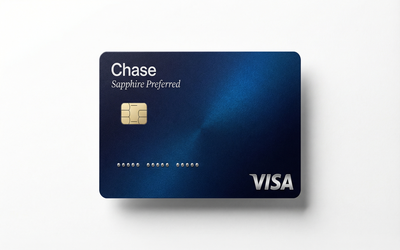
- Chase Sapphire Preferred Card: A top-tier travel card offering flexible points that can be transferred to airline and hotel partners.
- Chase Freedom Unlimited: Earns 1.5% cash back on all purchases, plus bonus categories.
- Chase Freedom Flex: Offers 5% cash back on rotating quarterly bonus categories and 3% on dining and drugstores.
- Southwest, United, Marriott, Hyatt Co-branded Cards: Extensive range of airline and hotel co-branded cards.
Branch and ATM Count
The physical presence of a bank can be a significant factor for many customers, especially those who prefer in-person banking services.
Citibank Network
Citibank has a more concentrated branch footprint, primarily in major metropolitan areas across a limited number of states. While their branch count is smaller than Chase\'s, their ATM network is extensive due to partnerships like MoneyPass, offering over 60,000 fee-free ATMs nationwide.
Chase Network
Chase boasts one of the largest branch networks in the United States, with thousands of branches spread across almost all states. This extensive physical presence, coupled with over 15,000 proprietary ATMs, makes Chase highly accessible for customers who value in-person support and widespread ATM access.
Mobile App Ratings and Digital Experience
In today\'s digital age, a bank\'s mobile app and online banking experience are paramount.
Citibank Digital
Citibank\'s mobile app consistently receives high ratings from users on both iOS and Android platforms. It offers a comprehensive suite of features, including mobile check deposit, bill pay, Zelle, budgeting tools, and robust security features. The online banking portal is also well-designed and user-friendly.
Chase Digital
Chase is often lauded for its excellent mobile app and digital banking experience. Their app is highly rated and provides a seamless interface for managing accounts, transferring money, paying bills, and accessing credit card details. Features like budgeting tools, credit score monitoring, and quick access to customer support contribute to a superior digital experience.
Customer Service
Customer service quality can significantly influence a banking relationship.
Citibank Customer Service
Citibank offers customer support through various channels, including phone, online chat, and in-person at branches. While generally good, customer satisfaction can sometimes vary depending on the specific issue and region. Premium account holders (Citi Priority, Citigold) often receive dedicated support lines and financial advisors.
Chase Customer Service
Chase generally has a strong reputation for customer service, with extensive support options including 24/7 phone support, online chat, and a vast network of branches for in-person assistance. Their commitment to customer satisfaction is evident in their multiple channels and resources available to clients.
International Banking Capabilities
For individuals with international banking needs, one bank might stand out over the other.
Citibank International
Citibank has a significant global presence, operating in many countries worldwide. This makes it an excellent choice for individuals who frequently travel internationally, live abroad, or need to manage finances across different countries. They offer services like international wire transfers, foreign currency accounts, and access to Citibank ATMs globally.
Chase International
While Chase is a dominant force in the U.S. market, its international presence is more limited compared to Citibank. They do offer international wire transfer services and credit cards with no foreign transaction fees, but they do not have the same global branch network or extensive international banking services as Citibank.
Who Should Choose Citibank?
Citibank is an excellent choice for:
- International Travelers and Expats: Its strong global presence and international banking services are a major advantage.
- Customers in Major Metropolitan Areas: If you live in a city with a strong Citibank presence, you can benefit from their branch and extensive ATM network.
- High-Net-Worth Individuals: Their premium accounts (Citi Priority, Citigold) offer tailored financial advice and enhanced benefits.
- Those Seeking Diverse Credit Card Rewards: Citibank offers competitive travel and cash back credit cards.
Who Should Choose Chase?
Chase is often the better option for:
- Customers Valuing a Large Branch Network: Its extensive physical footprint across the U.S. provides convenient in-person banking.
- Everyday Banking with Easy Fee Waivers: Chase Total Checking is a popular and accessible option for many.
- Credit Card Enthusiasts: Chase\'s Ultimate Rewards program and diverse card portfolio are highly attractive.
- Those Who Prefer a Strong Digital Experience: Chase\'s mobile app and online banking are consistently top-rated.
FAQ: Citibank vs. Chase
Which bank has better checking accounts, Citibank or Chase?
Both banks offer competitive checking accounts. Chase Total Checking is often preferred for its easier fee waiver requirements and widespread branch access. Citibank offers tiered accounts that can provide more benefits for higher balances.
Are Citibank or Chase savings rates better?
Citibank generally offers more competitive savings rates, especially with its Citi Accelerate Savings account and for customers with higher balances or premium accounts. Chase\'s standard savings rates are typically lower.
Which bank has a better credit card selection?
Both banks have excellent credit card lineups. Chase is renowned for its Ultimate Rewards program and co-branded travel cards (Sapphire, Freedom, airline/hotel cards). Citibank also offers strong cash back (Double Cash, Custom Cash) and travel cards (Premier).
Which bank has more branches and ATMs?
Chase has a significantly larger branch network across the U.S. Citibank has a smaller branch footprint but offers access to a larger fee-free ATM network (60,000+ including MoneyPass) compared to Chase\'s 15,000+ proprietary ATMs.
Is Citibank or Chase better for international banking?
Citibank is generally better for international banking due to its extensive global presence, offering services like international wire transfers and foreign currency accounts. Chase\'s international services are more limited.
Which bank has a better mobile app?
Both Citibank and Chase have highly-rated mobile apps with comprehensive features. Chase\'s app often receives slightly higher praise for its user-friendliness and seamless experience.
Can I easily transfer money between Citibank and Chase?
Yes, you can easily transfer money between Citibank and Chase using services like Zelle, external bank transfers through your online banking portal, or third-party payment apps. Standard transfer times and limits may apply.
Financial Disclaimer: WiseIQ is not a financial advisor. Content is for informational purposes only and not financial advice. Consult a qualified financial professional for personalized advice.