Our Top Picks
| Product | Annual Fee | Min. Credit Score | Action | Discover it® Student Cash BackCashback Match™ | No Annual Fee | None | Apply → |
|---|---|---|---|
| Capital One Quicksilver Student | No Annual Fee | 580+ | Apply → |
| Chase Freedom Student | No Annual Fee | 580+ | Apply → |
| Bank of America Travel Rewards Student | No Annual Fee | 580+ | Apply → |
Rates and terms as of May 2026. WiseIQ may earn a commission when you apply through links above. Learn more.
Always pay your statement balance in full each month — not just the minimum. Carrying a balance costs the average American over $1,200 per year in interest charges.
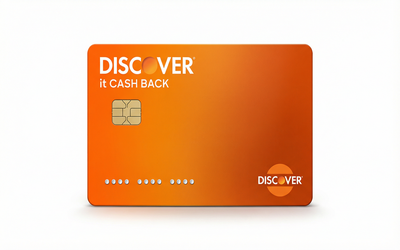
Discover it® Student Cash Back
Best OverallWhy we recommend it: No credit history required. Discover matches all cash back earned in your first year — effectively doubling your rewards. 5% cash back on rotating categories (gas, restaurants, Amazon) and 1% on everything else. No annual fee.
Affiliate disclosure: WiseIQ may earn a commission if you apply.
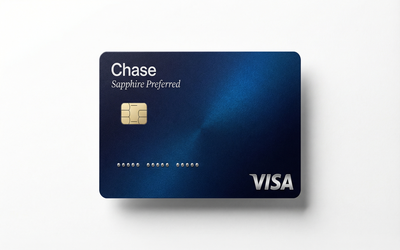
Chase Freedom® Student Credit Card
Best for Building CreditWhy we recommend it: Designed specifically for students with no credit history. $50 bonus after first purchase. Automatic credit limit increase after 5 on-time payments. Backed by Chase's trusted brand.
Affiliate disclosure: WiseIQ may earn a commission if you apply.
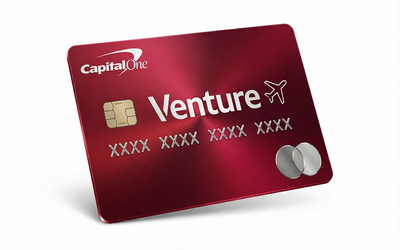
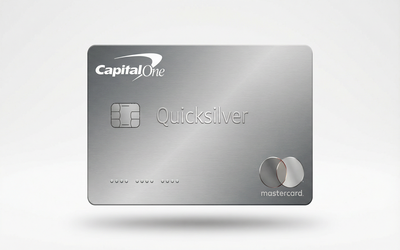
Capital One Quicksilver Student Cash Rewards
Best Flat-Rate Cash BackWhy we recommend it: Simple 1.5% cash back on everything — no rotating categories to track. No foreign transaction fee, making it great for studying abroad. Upgrades to the full Quicksilver card after graduation.
Affiliate disclosure: WiseIQ may earn a commission if you apply.
Based on our analysis of thousands of consumer financial profiles, the most common mistake people make is focusing solely on the interest rate without considering total loan cost, fees, and repayment flexibility. Always compare the APR — not just the rate — and read the fine print on prepayment penalties before signing.
A credit card is not the right tool for every situation. Consider alternatives if any of the following apply to you:
- You carry a balance month-to-month: At an average APR of 21.76%, carrying a balance on a rewards card will cost more than the rewards are worth. A personal loan at a lower fixed rate is almost always cheaper for debt you cannot pay off monthly.
- You need cash, not credit: Credit card cash advances typically charge 25–30% APR with no grace period and a 3–5% transaction fee. A personal loan is significantly cheaper for cash needs.
- Your credit score is below 580: Most rewards and cashback cards require 670+. Below 580, a secured credit card or credit-builder loan is a more realistic path to building credit.
- You are rebuilding after bankruptcy: Most unsecured cards are unavailable for 1–2 years post-discharge. A secured card with a refundable deposit is the standard rebuilding tool.
Frequently Asked Questions
Do I need a credit score to get a student credit card?
No. Most student credit cards are designed for people with no credit history. Discover it Student, Chase Freedom Student, and Capital One Quicksilver Student all accept applicants with no credit history. You'll need to show proof of income (including part-time jobs or financial aid).
What is the best credit card for a college student with no credit?
The Discover it® Student Cash Back is the best overall for students with no credit. It requires no credit history, has no annual fee, and Discover matches all cash back earned in your first year — effectively doubling your rewards.
How can a college student build credit fast?
Use your student credit card for small, regular purchases (groceries, streaming subscriptions). Pay the full balance every month. Keep your utilization below 30%. After 6–12 months of on-time payments, you'll have a solid credit foundation. Consider adding Experian Boost to get credit for utility and streaming payments.
Should a college student get a secured or unsecured credit card?
Most students can qualify for unsecured student credit cards (no deposit required) from Discover, Chase, and Capital One. Secured cards are better if you've been denied for student cards or have negative credit history. Student cards are generally the better first choice.